Angel investing in Mexico
Mexico has one of Latin America’s most mature angel and venture ecosystems, anchored by Mexico City and a fast-growing Guadalajara tech scene. Here is the landscape, in brief.
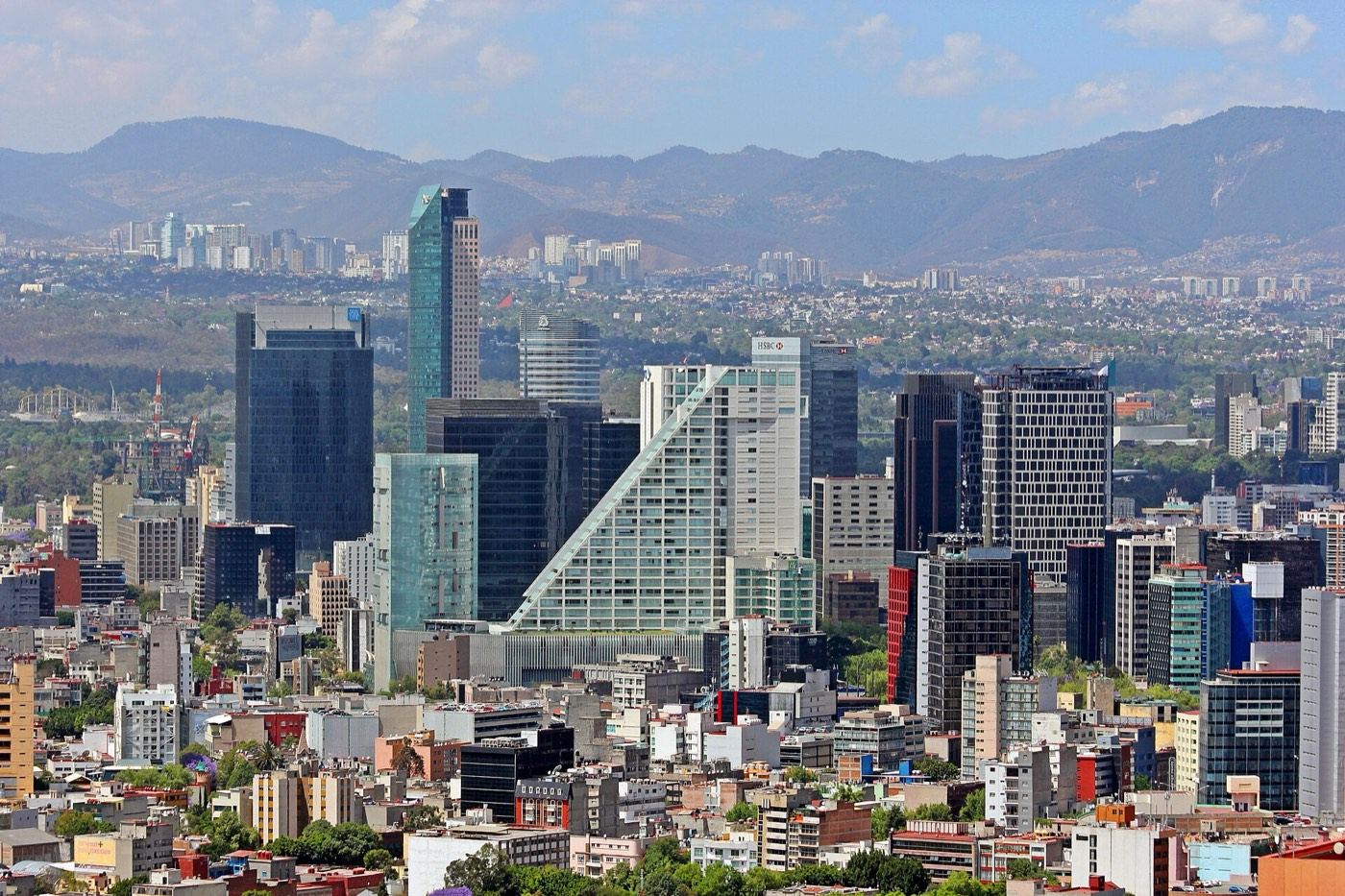
The ecosystem
Where the deal flow is
Mexico City (CDMX) is the dominant hub for fintech, e-commerce and logistics startups; Guadalajara has built a strong software-engineering and hardware base; Monterrey skews toward industrial-tech and B2B.
Angel Ventures
Founded in Mexico in 2008, Angel Ventures is one of the region’s pioneering structured angel networks, running co-investment vehicles across Mexico and the wider Pacific Alliance.
A fintech-heavy scene
Mexico’s Ley Fintech (2018) created a formal regulatory framework for crowdfunding platforms and fintech institutions — one reason the country has produced an outsized share of the region’s fintech unicorns and, in turn, founder-angels.
How deals get structured
The SAPI vehicle
Most Mexican startups incorporate as a Sociedad Anónima Promotora de Inversión (SAPI) — a corporate form designed specifically to make outside equity investment and shareholder agreements easier than Mexico’s standard corporate structures. See how it compares to other LATAM startup vehicles in our legal vehicles guide.
Cross-border structuring
Startups targeting US or global investors sometimes flip to a Delaware holding company above the Mexican operating entity, particularly once they raise institutional rounds — worth asking about early if you expect to co-invest alongside US funds later.
Typical check sizes
Broadly in line with regional norms — roughly US$5,000–100,000 per angel at pre-seed and seed, often pooled through SPVs for larger rounds.
Legal and tax notes
Mexico does not currently offer a dedicated personal income-tax credit for angel investments (unlike, for example, Argentina). Investment income and any eventual gains are generally subject to standard Mexican tax rules for the investor’s residency status — get current, country-specific advice before investing, as rules and their interpretation change.
For the broader picture of how angel deals are structured (SAFEs, term sheets, cap tables), see our deal mechanics guides — the mechanics are largely the same across the region, with Mexico’s SAPI vehicle being the main local variation.
Inversión (in Spanish)
Mexico's central bank on what investing is and where risk comes from — the base layer under everything on this page.
Published by Banco de México (Banxico Educa). Channel verified from educa.banxico.org.mx. Playing it loads content from YouTube.